Family Meal Planning Boards for Weekly Organization: here's what actually helps. The Johnsons had a great summer filled with travel, sports, and outdoor activities, but now, as school approaches - they need to get back into a routine and think about dinners. It sounds like they could use a family meal planning board.
What Are Family Meal Planning Boards and How Do They Work
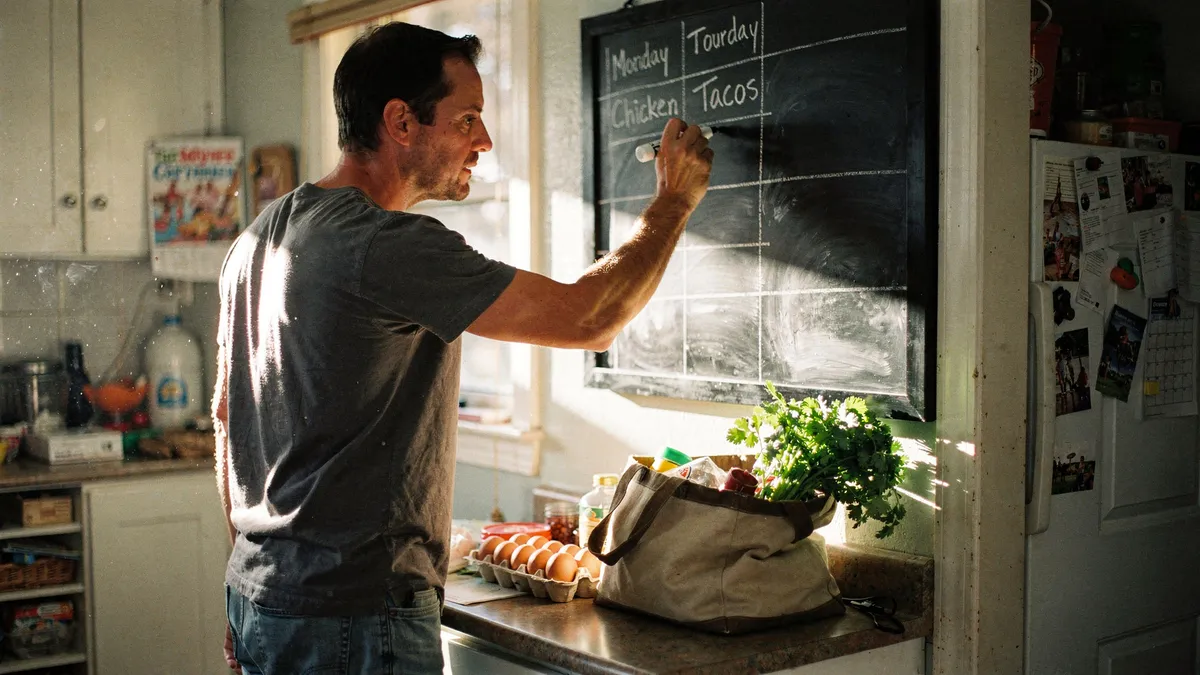
A meal planning board allows you to see, in one place, what's happening during the week and what needs to be cooked. Whether you use an app on your phone or a chalkboard on the wall, you can add information like the soccer schedule, the PTA meeting - and dinner plans. You might plan spaghetti for Sunday, chicken tacos for Monday, use Tuesday's leftovers on Wednesday, and so on.
You and your family will be better prepared to cook and eat together at home when you know what's coming up in the week. Spreading out cooking and cleanup over the week makes meal prep more manageable.
Some apps, Our Best Bites - and Mealime, allow you to customize a plan and print or share a grocery list. You can also search Pinterest, Instagram, and YouTube for meal planning board inspiration and ideas. Once you know what you will cook, you can make a grocery list and pick up only the ingredients you need. Strike items from your list as you put them in your cart so that you don't forget anything.
How Family Meal Planning Boards Help Reduce Food Waste
Planning your meals for the week - making a shopping list, and sticking to it can reduce food waste. Wasted food takes up space in landfills and uses precious resources like water and energy. Small actions in your kitchen can make a big impact on our planet.
When you meal plan and make a grocery list, you can buy only the food you need, which saves you money. Plus, you're more likely to use all the food you purchase.
Tips for Reducing Food Waste While Meal Planning
- Love Your Leftovers. When you cook a recipe like chili - soup, or casseroles, enjoy some for dinner and save the rest for another meal. You can refrigerate your leftovers and eat them within three to four days or freeze them to eat later. On a night when you're short on time, pull your leftovers out of the freezer and heat them up for a quick and easy dinner.
- Know Thy Fridge. Sometimes, busy people put groceries away without looking at what they already have. Take a look at your fridge before you shop so that you don't buy more of something that you already have plenty of at home.
- Use Your Freezer. You can freeze almost any food item. Freeze extra fruits and vegetables to use in smoothies later. Did you buy too much ground meat? Freeze half of it for another recipe.
- Keep Herbs Fresh. Wrap fresh herbs in a damp paper towel and store in the refrigerator crisper drawer to keep them fresh longer. You can also freeze herbs in water or olive oil for later use in recipes.
- Don't Over Shop. Try to stick with your grocery list. Sometimes we buy more food than we really need because it looks delicious or is on sale - but purchasing excess leads to waste.
- Label and Track. Label your leftovers with the date you made or froze them and eat them within three to four days. If you freeze food, write the date on the container and use within a few months for best quality. This way, you'll know what to eat first.
- Love Those Veggies. Use the entire vegetable. For example, cook broccoli stems along with the florets. You can grate or purée carrot tops and cucumber skins to add to muffins, soups - and sauces.
- Storing Matters. Keep your fresh fruits and vegetables fresh longer by learning the best ways to store them. Some fruits, like apples and pears, release ethylene gas that causes nearby vegetables, like broccoli and carrots, to spoil faster. Separate those fruits from your vegetables to reduce waste.
Why Family Dinners Matter and How to Make Them Happen
Busy weekday evenings can make it difficult for families to sit down and eat together. But family dinners are valuable because they provide an opportunity for communication - which helps build stronger family connections. When families eat together, parents have more influence over their children's lives and are better able to detect emerging problems.
Effective meal planning includes considering recipes that are nutritionally balanced and taking time to prepare food in quantities appropriate for the size of your family. With a meal plan, you know what you're going to make, how much to cook, and when to serve it. Getting family members involved in planning - shopping, preparing, and cleaning up makes mealtime a group effort.
Spreading out meal preparation throughout the week reduces stress in the kitchen. When you spend time together cooking and eating meals at home, you set a good example for your children and spend quality time together as a family.
Additional Resources for Family Meal Planning
USDA's MyPlate offers tips and resources for healthy eating on a budget. Search for recipes by meal type, protein choice - and cooking method, or try new fruits and vegetables with simple, low-cost recipes. Create your own meal plan with tips from Extension.org. Print at-home activity pages for kids, featuring favorite characters from USDA's MyPlate.