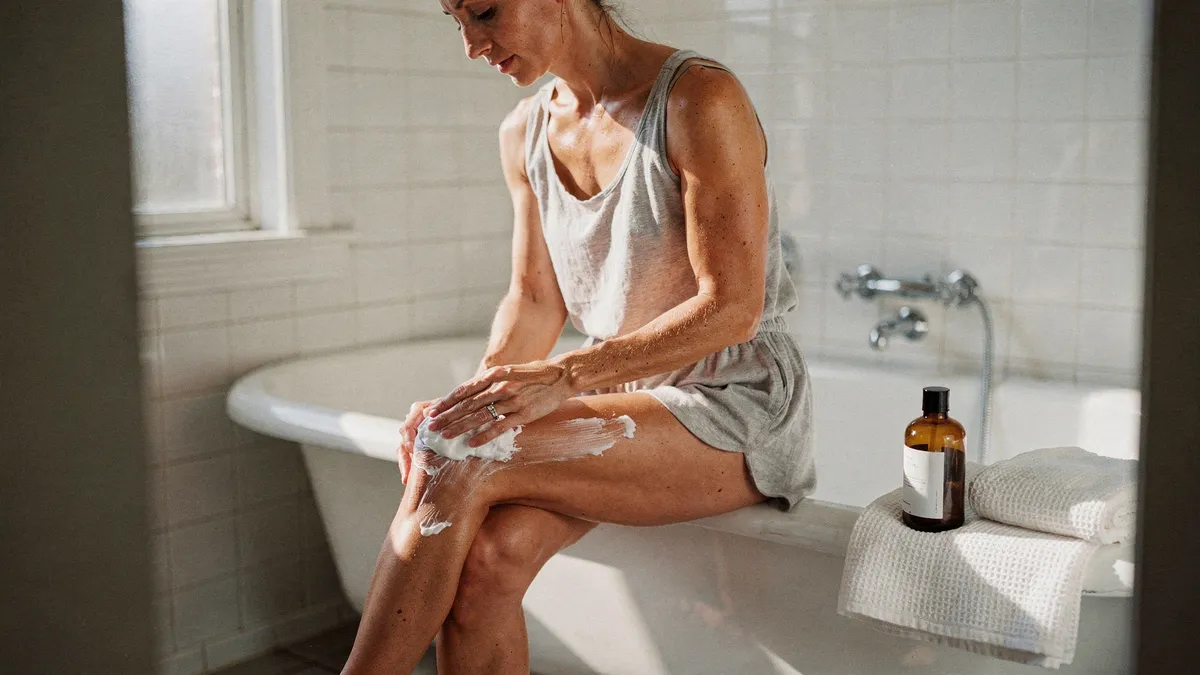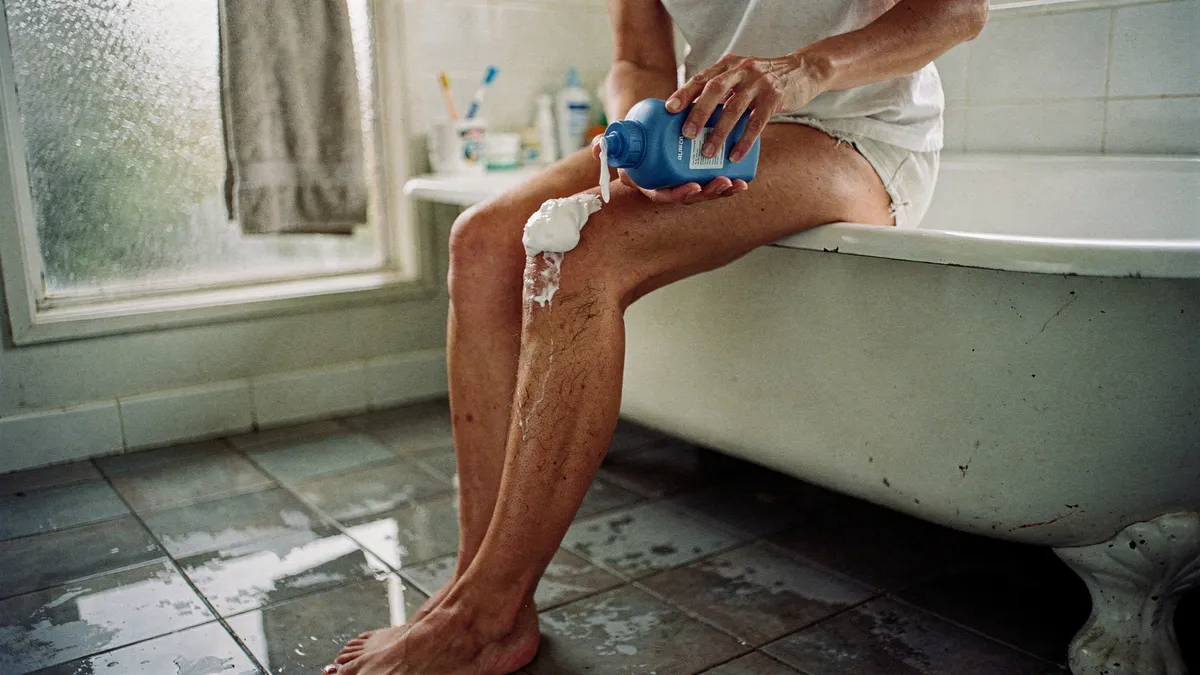
Dry skin can be uncomfortable and even painful. A good body lotion can soothe dry skin and help restore the skin barrier.
What Makes Body Lotions for Long Lasting Moisture Effective
A body lotion formulated with ceramides and natural oils was found to enhance skin hydration, radiance, and smoothness, while decreasing transepidermal water loss (TEWL) and scaling. All moisturizers help with dry skin by supplying a little bit of water to the skin and containing a greasy substance that holds it in. But not all moisturizers contain ingredients that address the root cause of dry skin.
Body lotions are technically a type of moisturizer, but they have a thinner - more runny consistency than moisturizers, making them easier to apply to large surfaces like the legs. Dermatologists often recommend body lotions for hydrating the skin head-to-toe.
What you have to understand is that transepidermal water loss is the main reason your skin stays dry even after you apply a lotion, and so a lotion that does not have an occlusive ingredient will let that water escape right back out. The simple fact is that a lotion can feel very hydrating for the first hour and still do very little to keep your skin moist through the rest of the day, and this is a common thing people do not realize when they pick a product based on how it feels at the store.
How Ingredients in Body Lotions Actually Work
A study tested 15 lotions over three weeks with five testers to gather feedback on scent and packaging design. While this may seem like a fun project, dermatologists have known for years that how a lotion feels isn't necessarily related to how well it works. In fact, richer products that contain more grease tend to be more effective than lightweight lotions that absorb quickly.
The three main types of ingredients that help moisturizers and body lotions work are:
- Humectants: ingredients that attract moisture
- Occlusives: ingredients that form a barrier on top of the skin to lock in hydration
- Emollients: ingredients that fill in spaces between skin cells to make the skin feel softer and smoother
Many body lotions contain all three types of ingredients to provide long-lasting hydration. Some also contain ingredients like exfoliants and anti-irritants to help comfort very dry, flaky skin. Although these three categories are distinct in how they work - there's some overlap in the ingredients themselves. For example, dimethicone is both an emollient and an occlusive.
What you have to understand is that the order of ingredients on a label matters, and so an ingredient listed near the bottom of the label is present in a very small amount and may not do much for your skin even if it sounds impressive. The common mistake people make is reading the front of the packaging instead of the back, and the front can say things like "deeply hydrating" without that meaning the formula actually contains enough of any active ingredient to make a real difference for most people.
Humectants and Occlusives Explained
In skincare, humectants are ingredients that help support supple, hydrated skin by attracting and retaining moisture in the skin's upper layer. They do this by pulling water from the air into the skin. Some humectants, like glycerin - can pull water from deeper layers of the skin.
Occlusives are a type of ingredient that helps form a protective layer on the skin's surface. This shield prevents water from escaping the skin and protects sensitive areas from irritants. Common occlusive agents include petrolatum, silicones, dimethicone, squalane, and lanolin.
Keep in mind that humectants can actually make dry skin worse if you use them in a very dry environment, and that is because the humectant will pull water out of the deeper skin layers instead of pulling it from the air, and this leaves the skin drier than before. The fix for most people is to always apply a lotion with both a humectant and an occlusive ingredient together, so the occlusive layer traps the water the humectant has pulled in and stops it from evaporating.
Choosing Among Body Lotions for Long Lasting Moisture
The best lotion is one that keeps your skin hydrated throughout the day - and night. Finding the right one is often a process of trial and error. If you're unsure where to start - consider a body lotion formulated with ceramides and natural oils.
A body lotion hides dry skin by using emollients to fill in cracks between skin cells for a smooth appearance, but it stops dry skin by using humectants to draw in water and occlusives to prevent evaporation, allowing the skin barrier to repair itself. Look for simple, fragrance-free formulations to avoid irritation.
If you have sensitive skin or a history of eczema, you may want to opt for a hypoallergenic lotion that's been approved by the National Eczema Association. Avoid products with parabens - sodium lauryl sulfate, alcohol, lanolin, and fragrances, all of which can cause irritation.
The simple fact is that body skin and facial skin are different and your body skin is generally thicker and less sensitive, so for most people a richer and heavier lotion on the body is fine even if that same lotion would feel too greasy on the face. Keep in mind that the best time to apply a body lotion for most people is right after a shower while the skin is still slightly damp, and waiting until the skin is fully dry before applying means you are missing the window when the lotion can trap the most moisture. If you have no injury or skin condition, applying lotion to damp skin and then patting off any excess is a simple fix that makes a noticeable difference in how long the moisture lasts through the day.
A Note on Natural Oils and Ceramides
Lipidomics analysis in a study showed higher levels of essential lipids in the treatment group using a ceramide and natural oil-based body lotion. Natural oils are a form of emollient - meaning they fill in gaps between skin cells to make the skin look and feel smoother. Though they do this effectively, natural oils also have powerful hydrating and skin-repairing properties.
Ceramides are a type of lipid your body produces naturally. Along with cholesterol and fatty acids, ceramides form a protective waterproof barrier on the outermost layer of your skin. This helps protect underlying layers of skin from environmental stressors and retains moisture.
When your skin becomes very dry, the natural production of ceramides can decrease, leading to gaps in the skin barrier. Topical application of products containing ceramides can help restore this barrier and combat dry skin - giving you smooth, soft, and healthy-looking skin.
The simple fact is that not all natural oils behave the same way on your skin, and some natural oils are much heavier and greasier than others, so if your skin feels sticky or breaks out after using a natural oil-based lotion you may just need a lighter oil rather than no oil at all. On top of that, ceramides in a lotion need to be paired with cholesterol and fatty acids to work the way your skin barrier naturally works, and a lotion that has only ceramides and nothing else may not restore the barrier as well as a lotion that has all three of those lipid types together.
When to See a Dermatologist
With so many body lotions and moisturizers available, it can be hard to determine which one is best. If you're unsure which ingredients will work best for your skin type and concerns, consult with a dermatologist. They can help you handle the aisle and find the right product to treat dry - flaky, or itchy skin.
What People Get Wrong
A lot of people think that the faster a lotion absorbs into your skin the better it is working, but the simple fact is that quick absorption usually means there is less occlusive ingredient in the lotion, and so less is being done to actually hold moisture in. People also think that applying a lotion once a day is enough, but for most people with dry skin the lotion needs to be reapplied after bathing and again later in the day to keep the skin barrier supported. On top of that, many people apply lotion to skin that is completely dry, and what you have to understand is that applying lotion to slightly damp skin right after a shower helps the humectant ingredients work better because there is already some water on the skin surface to hold in. Another common mistake is picking a lotion based on scent, but fragrance is one of the most common causes of skin irritation and it adds nothing to how well the lotion moisturizes your skin.
What This Does Not Cover
Keep in mind that this article is general information about body lotions for everyday dry skin and it does not cover skin conditions like psoriasis, severe eczema, or any condition where the skin barrier is significantly damaged, and for those situations you need to talk to a dermatologist or your doctor before choosing a product. This article also does not cover lotions used on the face, which has different skin thickness and different needs than the body. If your dry skin is painful, cracked, bleeding, or not improving after a few weeks of regular lotion use, that is a reason to see a professional rather than keep trying different products on your own.
References
- formulated with ceramides and natural - pmc.ncbi.nlm.nih.gov
- lotions over three weeks with - theguardian.com
- ingredients that help support supple - cerave.com