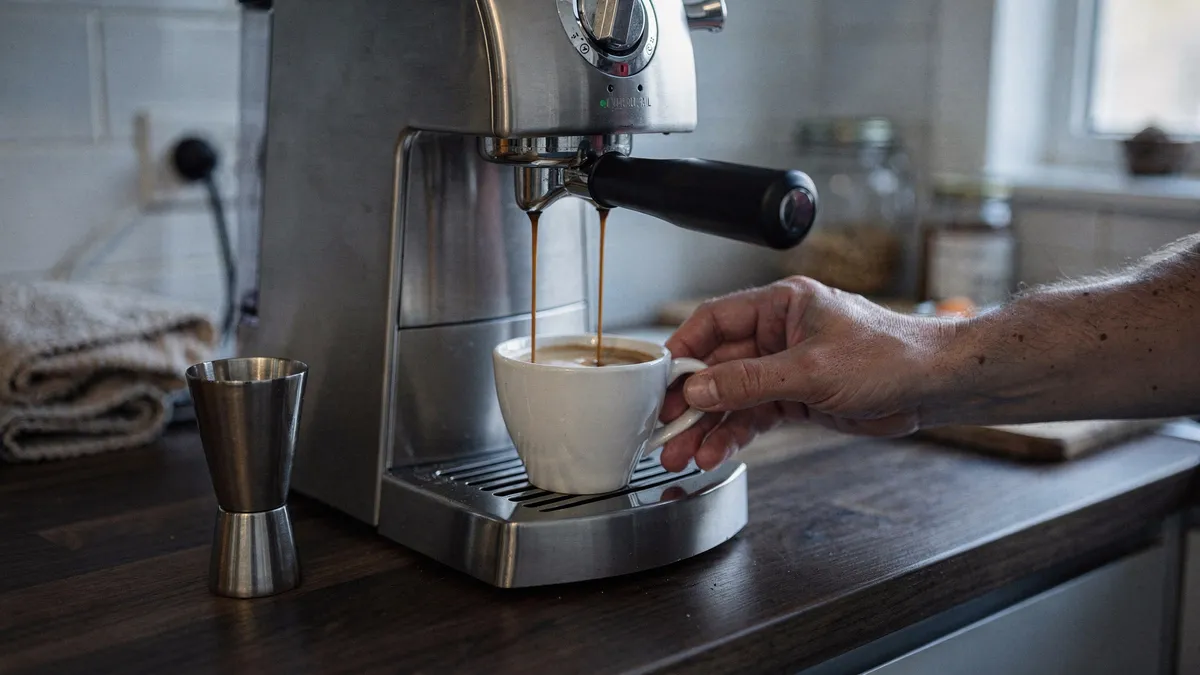
When it comes to espresso cups, you've got options.
Espresso Cups For Home Coffee Stations: Why the Material Behind Your Espresso Cup Matters
The type of material that your shot of espresso is served in can greatly affect how it tastes. For example, if you're pulling a shot of espresso for your morning latte, it will need to remain nice and warm before you steam your milk. If you're serving it "dry," however - you might want to consider a material that will allow the espresso to cool a little quicker, such as a pre-chilled copper or stainless-steel shot glass.
In addition to considering flavor, it's also important to consider what kind of material is safe to use.
What Makes a Material Safe for Espresso Cups
The Federal Food, Drug and Cosmetic Act (FFDCA) is the key piece of United States legislation covering food contact materials (FCM).
Regulations pertaining to FCM can principally be found in Title 21 of the Code of Federal Regulations (CFR). The CFR states that any material legally available for use in the production of FCM must adhere to strict guidelines and regulations. FCM includes all materials and substances intended for use as a component of any article that may reasonably be expected to contact food.
Are All Espresso Cups FDA Approved?
Unfortunately, the answer is no. This means that companies can easily make claims that can't necessarily be proven. It's up to independent third-party organizations - Intertek, or NSF, to test materials used in the production of FCM and issue certifications for conformance to United States regulations.
That being said, there are certain materials that are inherently safe to use. If you're looking to build a coffee station at home and would like to ensure that your equipment is free of harmful chemicals or materials, look for cups - mugs, and kettles made out of stainless steel, ceramic, or glass. These materials are generally considered safe to use and are less likely to leach chemicals into your espresso.
Hazardous Materials to Avoid in Espresso Cups for Home Coffee Stations
While it may seem like you can use any material to serve your espresso in, there are some materials that you should avoid. These include metals - such as lead or cadmium, which can be toxic if ingested; plastics that contain BPA or other harmful chemicals; and ceramics that have been painted or glazed with lead-based paints. If you're unsure whether or not an espresso cup is safe to use, it's best to err on the side of caution and find a different option.
When it comes to espresso cups, there are a variety of materials to choose from. While most are safe to use, some may contain harmful chemicals or materials that could leach into your espresso. By understanding what makes a material safe for food contact and learning how to identify potentially hazardous materials - you can ensure that you're serving your espresso in a cup that's both stylish and safe.
- Consider the material of your espresso cup to maximize the flavor of your shot.
- The FFDCA and CFR regulate materials used in food contact materials (FCM).
- Stainless steel, glass, and ceramic tend to be the safest materials for espresso cups.
- Avoid lead or cadmium metal, BPA-containing plastic, and lead-glazed ceramics.