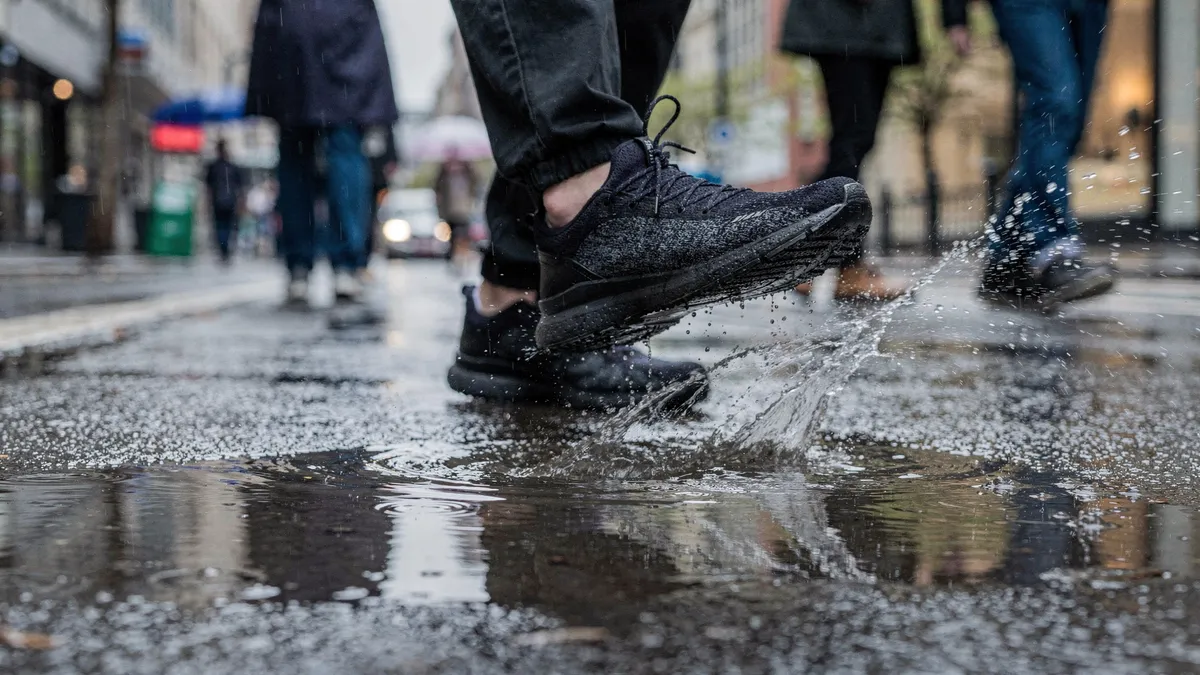
Water Resistant Sneakers for City Walking: here's what actually helps. If you enjoy walking around your city, you probably have a pair of sneakers dedicated to all the miles you put in. But unless you're willing to ditch your kicks come rainy season or inclement weather, you need a shoe that will keep your feet nice and dry.
Why You Should Choose Water Resistant Sneakers for Wet Weather
Water-resistant shoes are perfect for those unpredictable rainy days, thanks to a combination of waterproof uppers and breathable membranes that allow air to circulate so your feet stay cool. Unlike waterproof shoes, which are typically made using heavy materials - water-resistant shoes are light enough to wear comfortably during a summer rain shower.
Whether you're sticking close to town or starting a long-distance hike, treat yourself to a pair of water-resistant sneakers perfect for wet conditions. We researched dozens of pairs of water-resistant sneakers to bring you this list of the best ones to wear this spring.
How Water Resistant Sneakers for City Walking Performed in Lab Tests
Studies show that wearing the wrong type of footwear during winter can contribute to everything from falls and fractures to death. One such study published in the journal Injury Prevention examined the performance of 45 different types of footwear on icy pavements.
The results of the traction tests showed that only one model exceeded the pass mark of seven degrees. That means that 44 out of 45 pairs of shoes tested were not safe for walking on icy pavement. The authors of the study recommended that walking shoes designed for winter should have excellent grip on a variety of surfaces, including ice, and suggested that purchase decisions should take anti-slip technology into consideration.
The best waterproof walking shoes for men include several pairs that performed well in traction testing. For example, the Brooks Ghost 17 GTX - which performed well in a recent test of the best waterproof walking shoes, has a traction test rating of 0.67, which is 34.0% above average.
Also worth considering is the HOKA Transport GTX - which has a 0.56 friction coefficient in traction tests, which is 21.7% stronger grip than average. The HOKA Transport GTX also outperformed other shoes when it came to resisting twists thanks to a midsole that earned a 5/5 torsional rigidity score.
Choosing the Right Type of Water Resistant Shoe
Waterproof footwear is typically heavier and less flexible than other types of shoes due to the materials used to create them. This makes them more suitable for outdoor activities like hiking or climbing since they're designed to fully protect your feet from getting wet while allowing for proper ventilation. Breathable technology like Gore-Tex prevents water from entering the shoe while allowing moisture to escape, regulating your foot's temperature and keeping sweat from building up inside the shoe.
Water-resistant shoes, however, don't offer full waterproof protection. Instead - they feature treated mesh uppers that prevent small amounts of water from seeping in. While they're more lightweight and breathable than fully waterproof styles, they're better suited to short walks in light rain rather than extended hikes in wet conditions.
Should You Get Water Resistant or Waterproof Sneakers?
Knowing the difference between water-resistant and waterproof footwear will help you determine which type is right for you. Both types of shoes feature water-resistant uppers that prevent small amounts of liquid from seeping inside. However, fully waterproof shoes are made using heavy Gore-Tex or eVent linings, which allow moisture to escape while blocking water from entering, whereas water-resistant shoes use treatments to protect the upper from absorbing water.
Since waterproof shoes are typically heavier and less flexible than water-resistant shoes - they might not be suitable for everyday wear. Water-resistant shoes are perfect for unexpected rain showers or light walking in wet conditions.
While they don't offer the same level of protection as waterproof shoes, they're more breathable, flexible, and lightweight, making them suitable for everyday wear. Note that neither waterproof nor water-resistant footwear prevents your feet from getting wet entirely. This is because waterproof and water-resistant properties are limited to the upper part of the shoe.
To ensure that your feet stay as dry as possible - look for a pair of shoes that extends up over your ankles. The higher cuff will help prevent water from flowing into the front of your shoes, especially if you tend to walk with your toes pointed outwards.