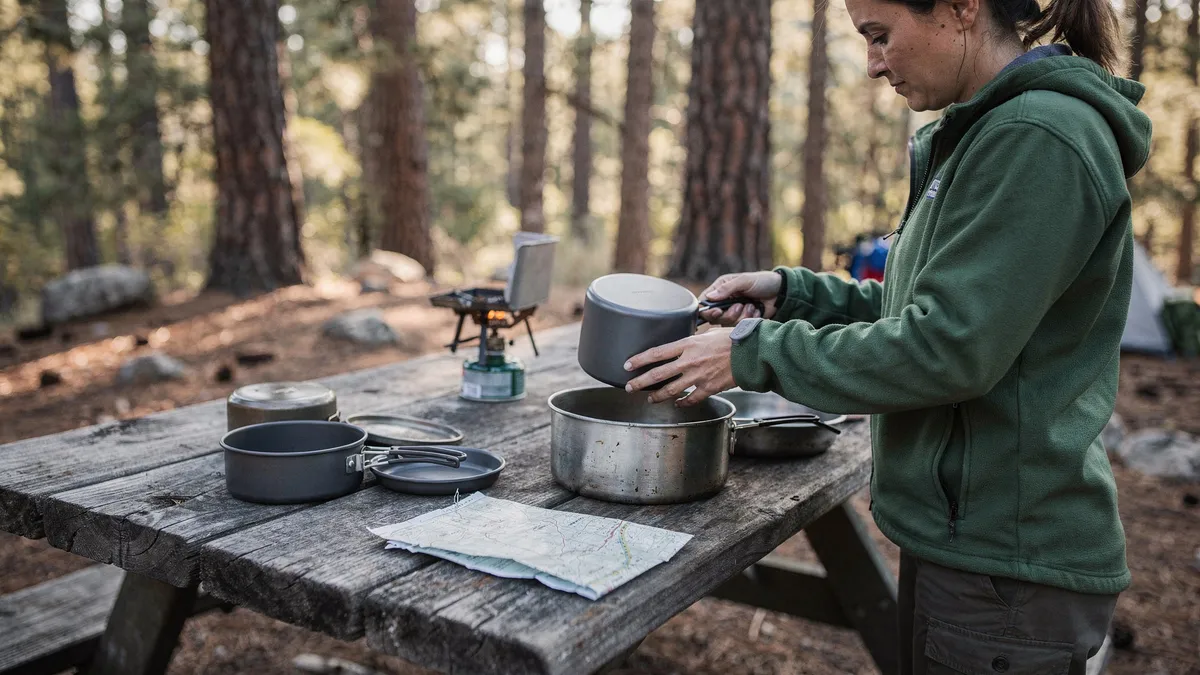
If you plan on doing some weekend camping, a portable stove is a great investment. They're lightweight, easy to use, and affordable.
Portable Camp Stoves For Weekend Trips: Why You Can't Bring a Campfire and What Fuels Work Best
When starting a camping trip, you may be thinking about bringing wood from home to build a campfire. Please don't. Many campsites have a supply of firewood or wood bundles for sale. Gathering your own firewood requires wandering far from the campsite - disturbing plants and animals in the process.
The wood may also be home to harmful non-native insects. Plus, a campfire is restricted to developed campsites. If you venture too far off the beaten path, you'll need another source of heat to cook your food.
If you're camping off the beaten path, use a fuel stove. Consider alternatives to a campfire, such as a portable camp stove. Only small - liquid or gas fuel stoves are permitted in backcountry / wilderness areas.
Stoves that use biomass material (including wood and charcoal) aren't allowed in the backcountry. This includes any pressurized or liquid propane gas stove, alcohol-burning stove, or stove that burns solid fuel tablets.
Tips for Using Portable Camp Stoves Safely and Efficiently
You've decided to purchase a portable camping stove. How do you use it properly? Let's look at a few tips.
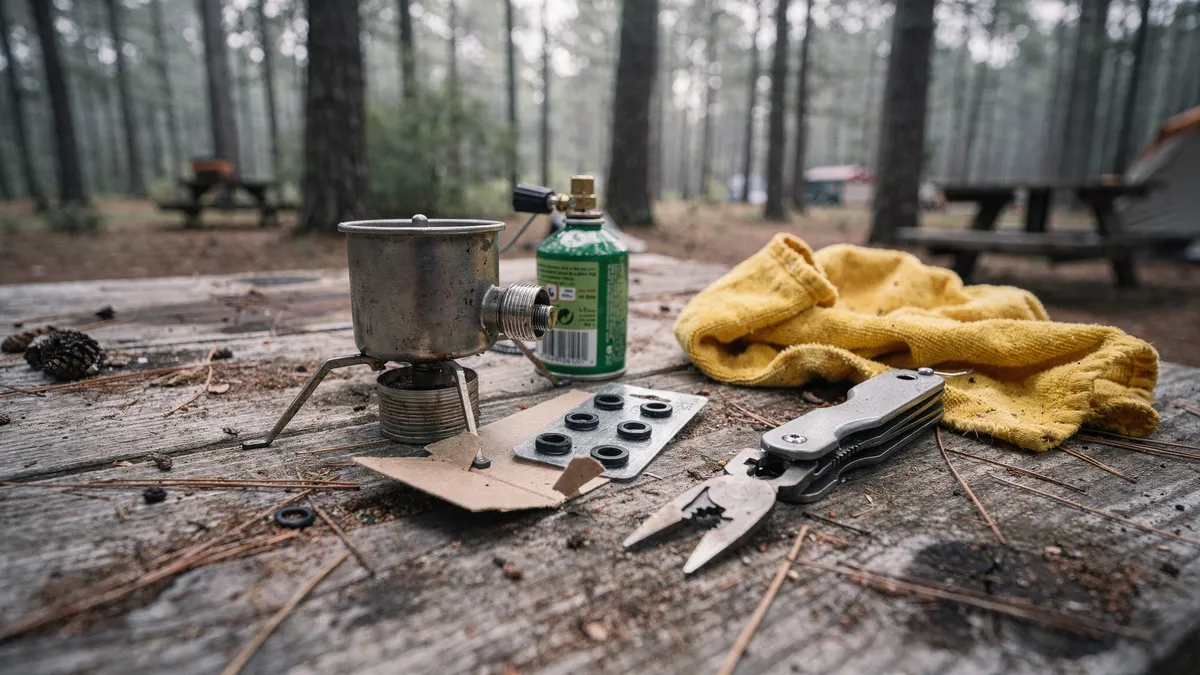
- "Tune" the stove. A stove that's out of whack can waste fuel. Be sure the fuel valve opens fully. If the stove has a regulator , make sure it's working properly, and that the hose isn't cracked or leaking. O-rings on the fuel bottle should be supple and pliable; replace them annually. If the stove still performs poorly - have it serviced by a professional.
- Protect the stove from the elements. Wind can make it difficult or impossible to get a stove to light, and it will cause the flames to wane and flicker, wasting fuel and failing to cook your food. A windscreen and heat reflector reduced the boiling time from 7 minutes to 2 minutes and 15 seconds! In cold weather, make sure the fuel bottle is warm before attempting to use it.
- Bring enough fuel. Propane flows best when it's dispensed from a standing stove. Butane works well when the stove is horizontal, making it the best choice for winter use. If possible - bring both types of fuel.
- Bring matches or a lighter. While most stoves come with a lighter, it's a delicate instrument prone to damage. Bring along a backup lighter and some waterproof matches just in case.
- Never leave a burning stove unattended. This should be obvious, but when you're distracted by preparing a meal or juggling several tasks at once, it's easy to forget. Always keep an eye on an active stove.
Why You Should Never Use a Gas Stove Inside a Tent
Carbon monoxide poisoning is no joke. And while a mosquito net provides ventilation, it does little to ensure safe air circulation. If you breathe in the fumes - you will quickly pass out and probably succumb to carbon monoxide poisoning.
As an added concern, the flame may set the tent on fire. Never use gas stoves or fuel burners to heat your tent. Gas stove burners and fuel bottles can explode if they're clogged or used improperly. Read instructions carefully, and be sure to use the stove in a well-ventilated area.
Never light your stove inside an enclosed space, since you could get carbon monoxide poisoning. If you smell gas, turn off the stove and move away from it. An average of 14 people die due to unintentional CO poisoning each year in Minnesota alone. The CDC estimates that approximately 400 people die from unintentional CO exposure in the United States every year.
Approximately 300 people visit emergency department each year for treatment of symptoms linked to unintentional CO exposure. Carbon monoxide is an odorless - colorless gas, and signs of carbon monoxide poisoning mimic those of other illnesses, making it difficult to recognize. It can be fatal at high levels.
What to Know About Shipping and Flying With a Portable Camp Stove
Don't attempt to bring a camp stove onto an airplane. A TSA screener won't allow a camp stove aboard an commercial flight if there's any odor of fuel. The stove is considered hazardous material, and there's a $50 hazardous material fee in addition to shipping costs for the item. The TSA recommends that you ship the empty fuel containers to your destination ahead of time, and points out that passengers frequently have to leave them at the checkpoint because of fuel vapors.
You can bring a fuel container through the security checkpoint and board the plane with it provided it's completely empty. Check with your airline before traveling.
References
- heat reflector reduced the boiling - americastestkitchen.com
- estimates that approximately 400 people - health.mn.gov
- $50 - adfg.alaska.gov