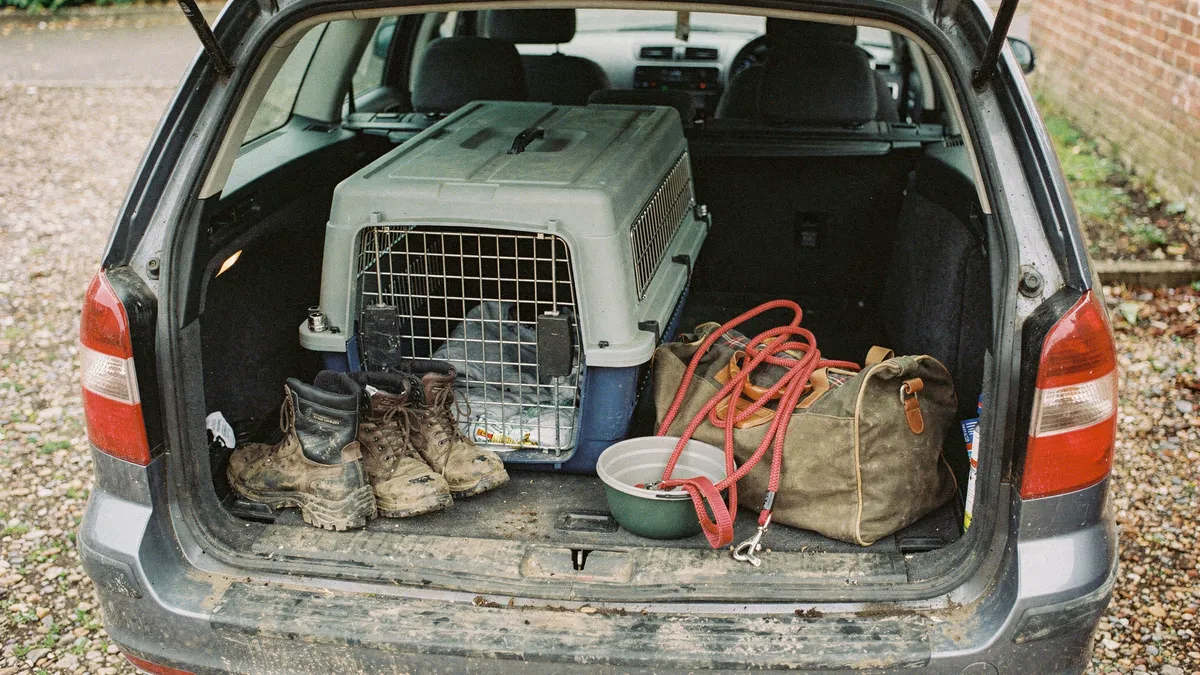
Pet travel has become increasingly popular in recent years. For many animal lovers, their furry friends are part of the family, so it only makes sense that they would want to include their pets in their travel plans.
Why Pet Travel Carriers for Weekend Trips Matter
In order to safely transport your pet from place to place, you will need a pet travel crate or carrier. But with so many different crates and carriers available, how do you know which type of containment is best for your pet? If you're planning a weekend getaway with your pet - read on to learn more about how to choose the right travel crate or carrier for your furry friend.
Before you determine which type of travel crate or carrier is best for your pet, you need to consider your travel plans carefully. If you will be taking your dog or cat on an airplane, the airline you choose may dictate which type of crate or carrier you need. For example, Delta Airlines has very strict rules about pet travel.
The airline states that "all pets must be at least 8 weeks old and travel in kennels that are USDA-approved, airline-approved - or Pet Travel Systems (PTS)." On the other hand, United Airlines allows pets to travel in a carrier as long as it meets the carrier's specifications. Both airlines charge a fee for a pet to travel in-cabin, and neither airline allows cats to travel in-cabin in a carrier that fits under the seat in front of you.
If you plan on road tripping with your pet, you have a bit more flexibility when it comes to choosing a crate or carrier since there are no official regulations from transportation departments. However, if your pet will be in the front seat of the car with you - make sure that he or she is secured in case of an accident. Some pet parents strap their dogs or cats into place using a standard car seatbelt, but this is unsafe for pets.
Rather than purchasing a harness that attaches to your car's seatbelts, purchase a crate or barrier that separates your pet from the front of the car. Keep in mind that some states have pet restraint laws, so check your local ordinances before hitting the road with your pet.
Understanding the Difference Between Crates and Carriers
While the terms crate and carrier are often used interchangeably, there's a difference between the two types of containment. Generally - crates are made out of wire mesh or wood, while carriers are typically constructed out of fabric or plastic. Depending on the size of your pet, you may need one or both types of containment for safe travel.
Choosing the Right Material for Your Pet
When deciding on which material is best for your pet, consider the conditions in which your pet will be traveling. For example, if you're taking your dog on an airplane during the hot summer months - a plastic carrier may get unbearably warm. In this instance, opt for a crate or carrier made out of breathable fabric, like cotton or nylon.
If your pet suffers from anxiety, a crate or carrier made out of opaque material, such as cardboard or plastic - may be the better option. Just be sure to take regular breaks so that your pet can get some fresh air and stretch his or her legs.
Key Features to Look for in Pet Travel Carriers
- Easy access: Look for a crate or carrier with a door that opens on the top or front. This will make it much easier to get your pet inside and out of the containment.
- Easy cleaning: Consider a crate liner that can be easily removed and washed. This is especially important if your pet suffers from motion sickness.
- Adjustable dividers: If you will be traveling with multiple pets, look for a crate big enough to comfortably house all of your furry friends with adjustable dividers to separate them.
- Collapsible options: If you don't want to keep a crate in your home indefinitely, look for a model that collapses for easy storage.
- Reflective material: If you will be walking your dog near a road at night, look for a carrier with some reflective material for added visibility.
Choosing Between Soft-Sided Carriers and Hard-Sided Crates
Many pet parents have an opinion when it comes to soft-sided carriers versus hard-sided crates. While hard-sided crates provide increased protection and security for your pet, soft-sided carriers are lightweight and typically more comfortable for pets. If you opt for a soft-sided carrier - be sure to choose a sturdy material that will hold up against scratches or teeth marks.
Whether you choose a crate or carrier for your pet, be sure to introduce your furry friend to the containment well before your trip. If your pet associates the crate with positive things, he or she will be more likely to walk right in when it's time to travel.
References
- Easy access: Look for a crate or carrier with a door that opens on the top or front. This will make it much easier to get your pet inside and out of the containment. — google.com
- Easy cleaning: Consider a crate liner that can be easily removed and washed. This is especially important if your pet suffers from motion sickness. — google.com
- Adjustable dividers: If you will be traveling with multiple pets, look for a crate big enough to comfortably house all of your furry friends with adjustable dividers to separate them. — google.com
- Collapsible options: If you don't want to keep a crate in your home indefinitely, look for a model that collapses for easy storage. — google.com
- Reflective material: If you will be walking your dog near a road at night, look for a carrier with some reflective material for added visibility. — google.com