Every indoor cat owner has funded the same graveyard: a basket of ignored toys, each one purchased with hope. The problem is rarely the cat. Cats are ambush predators wired for short, intense hunting sequences, and a static toy lying on the floor is scenery, while anything that flutters, skitters, or has to be worked for is prey. The toys below are organized around that logic, by how the play actually happens, with real products, current prices, and the honest catch for each one. For the deeper theory of keeping an indoor cat sane, Ohio State's Indoor Pet Initiative is the best free resource on the internet, written by veterinary behavior specialists.
Wand toys: you are the toy's brain
Nothing beats a wand toy, because nothing else moves like something alive. Two picks cover this category from both ends of the price spectrum.
Da Bird
Da Bird, made by Go Cat, a small Michigan company that has been at this for decades, is the wand toy against which everything else gets measured. The feather lure spins as it moves through the air, imitating the flight of a bird closely enough that even jaded, sedentary cats tend to lose their composure. It runs around $12 to $15 as of mid-2026, and replacement lures are sold separately, which matters, because the honest limitation is that a cat who loves it will destroy the feathers, that destruction being the point. The other requirement: it must live in a closet between sessions, both to keep it novel and because string toys are not safe to leave out unsupervised.
Cat Dancer
The Cat Dancer looks like a factory mistake: a length of spring steel wire with rolled cardboard bits on the end, sold for a few dollars. In motion, though, the wire's bounce mimics an insect so convincingly that this humble object has stayed in production since the 1980s. At under $5 it is the cheapest legitimate enrichment purchase in the pet aisle and the right first test of whether your cat prefers bug-style prey to bird-style prey. The limitation is durability and reach: the cardboard ends shred with enthusiasm, and the fixed wire is shorter than a proper wand, so your hand is closer to the action than some cats, and some owners, prefer.
Solo toys: for the hours you are not home
Catit Senses 2.0 Super Circuit
Track-ball toys are the rare unattended toy many cats return to, and the Catit Senses Super Circuit is the standard bearer: an enclosed track with a ball inside, sold in segments that snap into dozens of layouts, with openings that let a paw in and keep the ball from disappearing under the sofa. It costs around $27 as of mid-2026. It suits batting-obsessed cats and multi-cat homes, and reconfiguring the track resets its novelty. Two honest caveats: a ball rattling around a plastic track on a hard floor at 3am is a sound you will come to know intimately, and some cats solve it, lose interest in a week, and never touch it again. Buy one circuit before you buy three.
Kicker toys
For the wrestling style of play, a kicker, a firm fabric log a cat can bear-hug and rabbit-kick, gives an outlet that would otherwise be your forearm. Catnip or silvervine versions from brands like Petstages or Yeowww run $8 to $15. No moving parts means no batteries and nothing to break; the flip side is that a kicker only appeals to cats who play that way, and you will know within one session which kind you have.
Food work: the most underrated toy is dinner
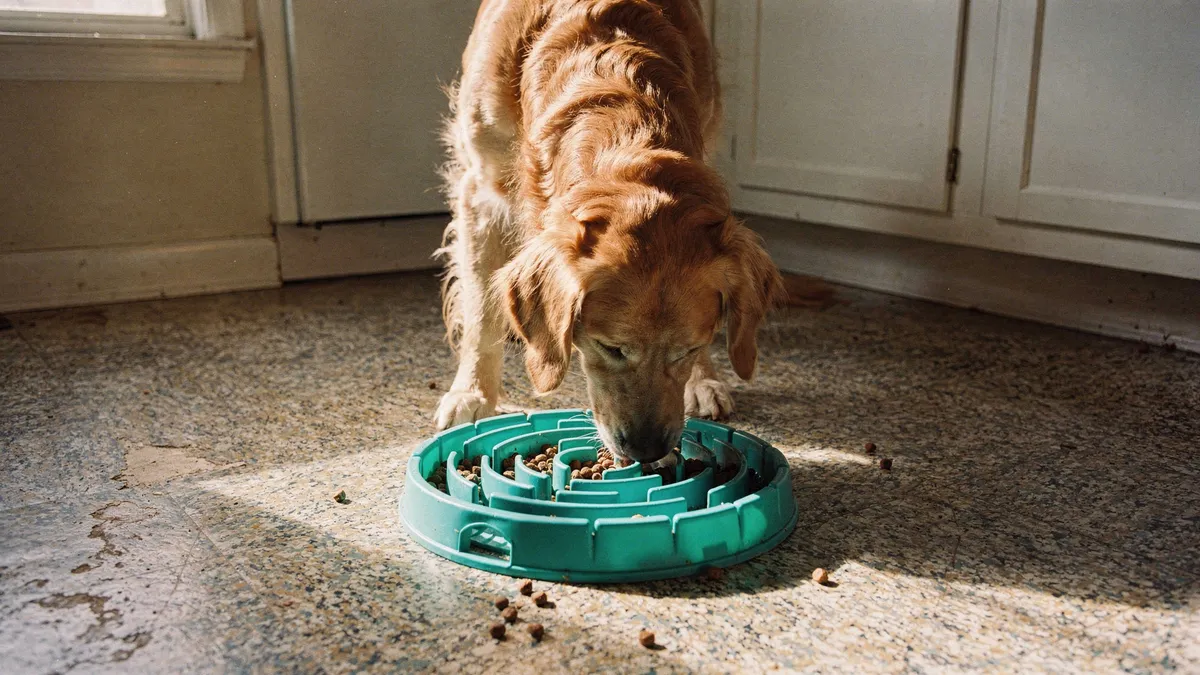
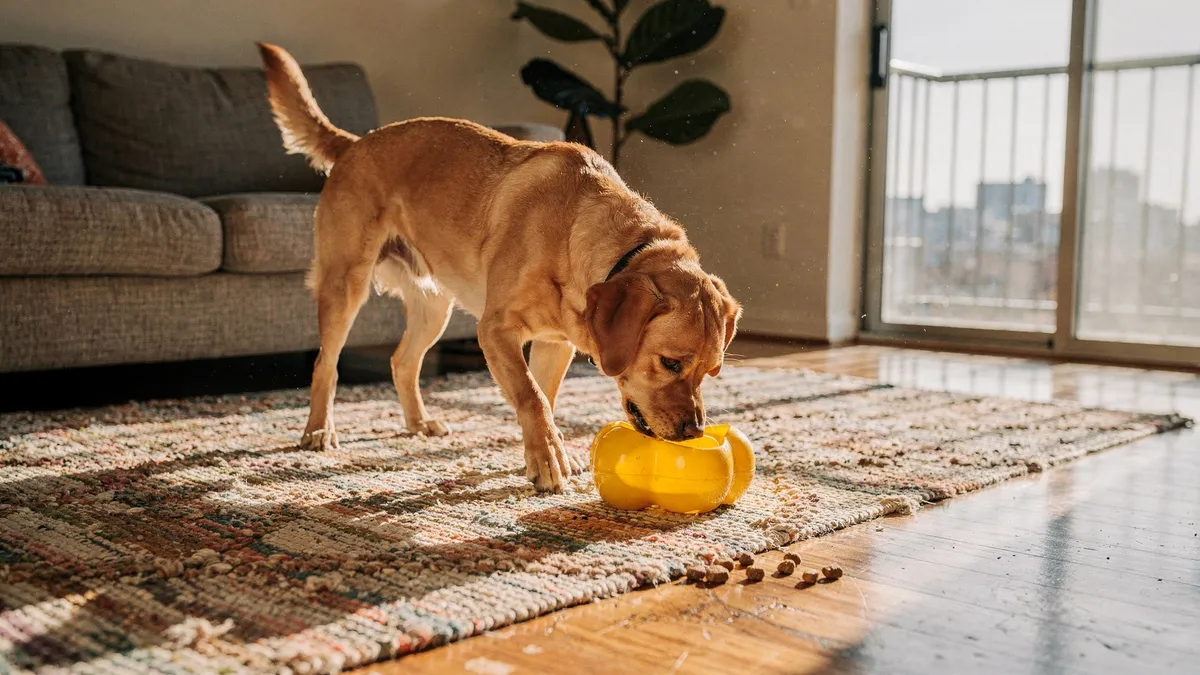
In the wild, a cat's food arrives after effort, a dozen small hunts a day. A bowl skips the entire sequence. Puzzle feeders reintroduce it, slowing down gulpers and giving food-motivated cats a genuine job. The site Food Puzzles for Cats, run by cat behavior researchers, catalogs dozens of options by difficulty and shows how to start; the golden rule is to begin embarrassingly easy, a muffin tin with kibble in the cups counts, so the cat wins early and often. Purchased versions like the Catit Senses Digger run around $15 to $25. The limitation of the whole category is calibration: too hard too fast and the cat quits, and puzzle feeding a cat in a multi-cat home requires making sure the clever one is not eating everyone's share.
A word on laser pointers
Lasers generate spectacular chases and a persistent debate. The unresolvable catch is that the dot can never be caught, and a hunt with no catch ends without the completion cats seem to want. The common-sense compromise many behaviorists suggest: keep sessions short, and end by landing the dot on a physical toy or a few treats the cat can actually pounce on. If a laser is the only toy your cat responds to, use it that way rather than not at all.
Rotation: the free multiplier
The cheapest trick in this article costs nothing. Keep three or four toys out and put the rest away, then swap the sets every week or so. A toy that vanishes for two weeks returns as new prey; a toy that lives on the floor becomes furniture. Pair rotation with timing and you get most of the benefit of an expensive toy collection from a modest one: two short wand sessions a day, ideally before meals so the hunt-then-eat sequence completes, will do more for a restless indoor cat than any single purchase on this page.
Safety, briefly
String, ribbon, elastic, and wand toys go in a drawer when playtime ends; swallowed string is a genuine surgical emergency. Check toys for loose parts occasionally and retire the mangled ones. And if a formerly playful cat abruptly stops engaging with everything, that is a conversation with your vet, since a change in play is often the first visible sign that something else is wrong.
Where to start
If the budget is $20: a Cat Dancer and a Da Bird. If it is $50: add the Super Circuit and a muffin tin's worth of puzzle feeding to see what sticks. Match the toy to the play style you observe rather than the one the packaging promises, rotate ruthlessly, and let the graveyard basket finally stop growing.