Walking shoes are the rare purchase where the boring advice is correct: fit beats brand, and the shoe that feels unremarkable after eight hours is the winner. The trouble is that you cannot stand in a store for eight hours, so most people buy on reputation and hope. This guide does two things to shorten those odds. First, it explains what to check in the store in the five minutes you actually get. Then it names six current shoes, with mid-2026 price context, that consistently show up at the comfortable end of long days, along with the honest reason each one is not for everyone.
One boundary worth stating up front: this is a comfort and buying guide, not health advice. If your feet hurt in ways that outlast a shoe change, that is a conversation for a professional, not a product roundup.
The five-minute store test
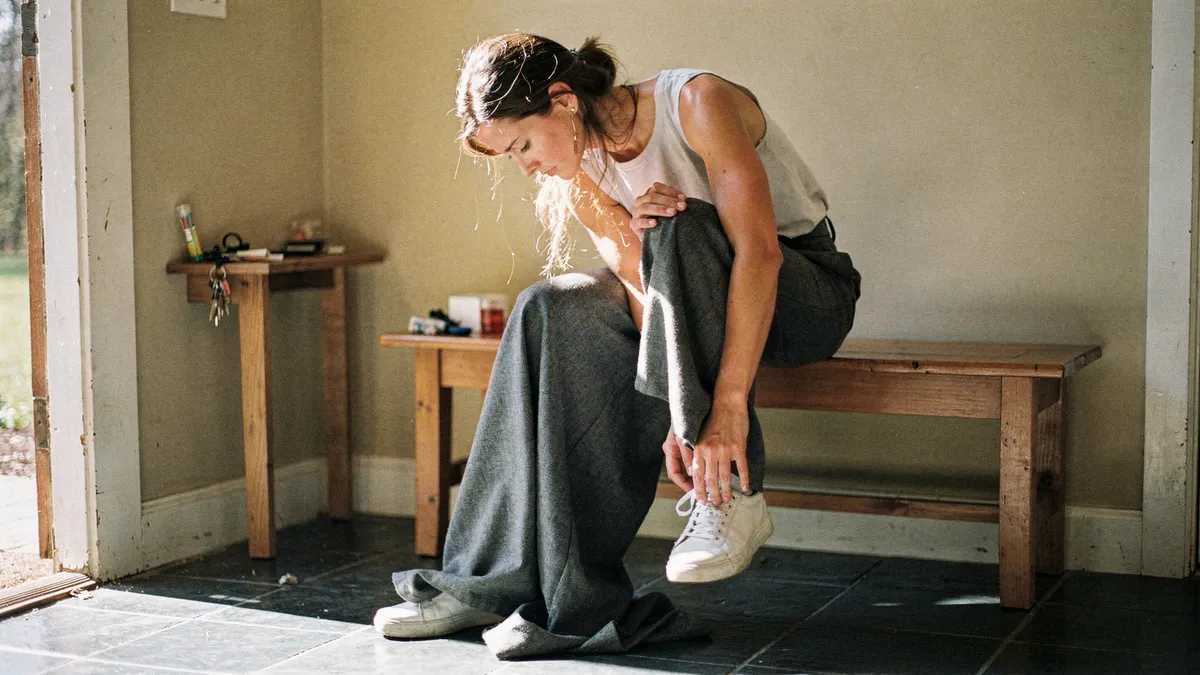
Shop late in the day, when feet are at their largest, and bring the socks you actually wear. Leave a thumb's width between your longest toe and the front of the shoe, and pay attention to the widest part of your foot rather than the length alone, since a shoe that squeezes across the forefoot will only get worse by hour six. Walk on the hardest floor the store has, because carpet flatters everything. And ignore the break-in myth: a well-fitting walking shoe should feel good in the first minute. Discomfort in the store is a preview, never a phase.
Expect replacement, too. Cushioning foams compress with miles and simply sitting under your weight all day, and most manufacturers put useful life somewhere in the range of 300 to 500 miles. If you walk five miles a day, that is a new pair roughly twice a year, which is worth factoring into what you spend per pair.
The maximum-cushion picks
Hoka Bondi 9
The Bondi is the shoe that made oversized midsoles mainstream, and the ninth version continues the formula: a tall stack of soft foam with a rockered shape that rolls you forward through each step. It sells for around $170 to $175 as of mid-2026. It is the pick for people who spend all day on concrete or hard flooring and want the most material between themselves and the ground. The honest caveats are bulk and feel. It is a heavy, tall, distinctly puffy shoe, the ride can feel disconnected for people who like knowing where the floor is, and that much soft foam compresses on a schedule, so heavier walkers may find it feels flat well before the price tag suggests it should.
Brooks Ghost Max 3
Brooks' Ghost Max line offers a similar big-cushion concept with a somewhat more grounded, stable feel than the Bondi, thanks to a broad base and a smooth rocker. The current version runs around $150. It suits walkers who want serious cushioning but found shoes like the Bondi tippy or mushy, and it accommodates a range of foot shapes with multiple width options. The trade-off is that it is still a large, warm, running-derived shoe that looks like one, and people wanting a light or low-profile option should read on.
The everyday all-rounders
New Balance Fresh Foam X 880
The 880 is New Balance's long-running daily workhorse, updated yearly, with a middle-of-the-road amount of foam that works as well for errands and travel as for deliberate walks. It typically sells around $140, and older versions discount steeply when the yearly update lands, which makes it one of the better value plays here. New Balance also remains one of the few brands offering most models in multiple genuine widths. The honest limitation is the flip side of its balance: it is unexceptional at everything, so people who already know they want maximum softness or minimum weight will find it splits the difference without exciting anyone.
On Cloud 6
The On Cloud is the shoe for people whose walking happens between meetings, airports, and sidewalks, and who want one pair that does not look athletic with regular clothes. The current Cloud sells for around $150, weighs noticeably less than the cushioned picks above, and its elastic speed-lacing makes it the easiest on-and-off shoe in this guide. The honest trade-offs are documented widely by owners: the pods in the outsole collect gravel, the cushioning is firmer and shallower than anything above, and at this price you are paying a meaningful premium for design rather than material.
The budget-conscious picks
Skechers Arch Fit 2.0
Skechers gets dismissed by shoe enthusiasts and keeps outselling most of the brands they prefer, and the Arch Fit line is why. It combines a contoured, structured insole with a soft midsole at a price around $100, frequently below that on sale. It suits budget-minded buyers who want a plush, roomy shoe for work shifts and daily walks, and the slip-in versions are popular with anyone who resents bending over. The honest limitation is durability: outsoles and foams at this price wear faster than the $150 tier, so the up-front savings shrink if you put serious weekly miles on them.
Saucony Ride 18
Saucony's Ride is a running shoe that has quietly become a favorite for long walking days because it hits a rare middle: light, decently cushioned, and around $145 at full price, with prior versions regularly discounted below $100 as new ones release. It fits people who alternate between brisk walks and the occasional jog and want one shoe for both. The caveat is fit: Saucony runs snugger through the midfoot than New Balance or Skechers, and width options are thinner on the ground, so it rewards trying on before buying more than most picks here.
Matching the shoe to your actual day
Standing still on concrete and walking five miles are different jobs. Static standing favors the widest, most cushioned platforms, which points to the Bondi 9 or Ghost Max 3. Long deliberate walks favor something lighter with a smooth roll, where the 880 and Ride 18 shine. Mixed days of commuting, office, and errands are Cloud 6 territory, and tight budgets with big daily hours are exactly what the Arch Fit 2.0 exists for. Whichever direction you go, buy from somewhere with a generous return window, wear the shoes indoors for a full day first, and let your own feet overrule any list, including this one.