Looking for sensory toys that promote calm, focused play? You will find lots of ideas here! Use these activities any time your child needs some quiet playtime.
Sensory Toys For Calm Indoor Play: What Are Sensory Toys and How Do They Help Children
All children benefit from sensory play that helps them explore and understand the world. Through sensory activities, children can learn about colors, textures, numbers - size, weight, sound, sight, and smell.
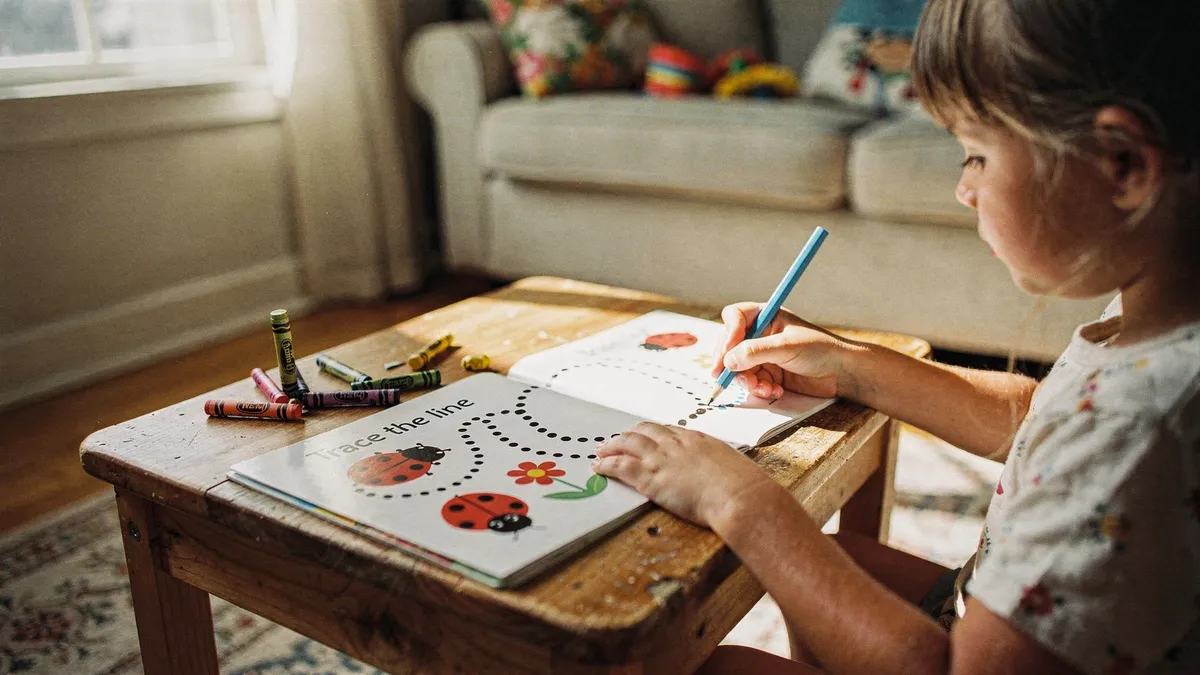
Sensory play also helps develop fine motor skills - which children need to tie their shoes, fasten buttons, write legibly, and complete many of the small tasks involved in caring for themselves.
Providing age-appropriate toys and activities can help all children learn how to respond appropriately to the input they're receiving and develop problem-solving and critical thinking skills. Sensory activities can also be very calming for some children, providing them with the perfect opportunity to quiet their minds and bodies to focus on the task at hand.
Types of Sensory Toys and Activities for Indoors
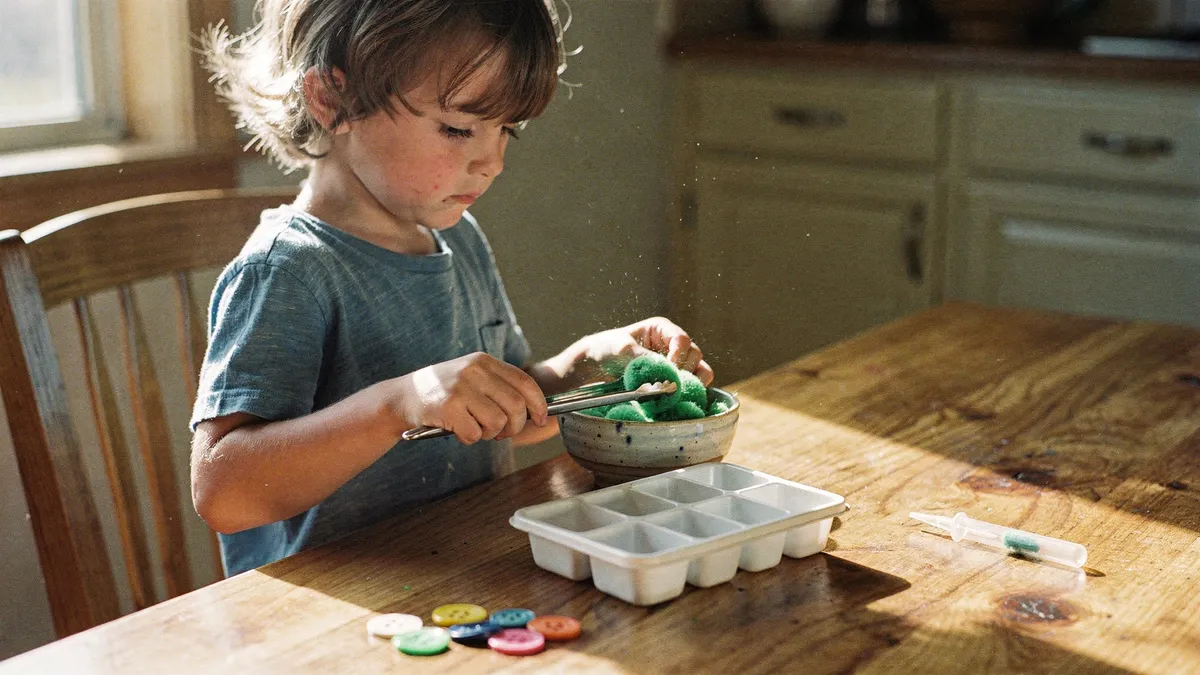
Fine motor activities are ideal for indoor play. They're usually quiet and engaging. Children can perform many fine motor activities independently after you explain what to do - which makes these activities perfect for occupied time during rainy days, road trips, doctor's appointments, and restaurant visits. Many fine motor activities involve sorting and manipulating small objects such as buttons, pom-poms - coins, sequins, beads, or brads. Your child can use household items such as tweezers, pipettes - basters, tongs, droppers, sponges, straws - spoons, slotted spoons, medicine caps, or spray bottles to move small objects from one container to another.
You can use household items or water table toys such as funnels, cups - turkey basters, sponges, colanders, straws, whisks - watering cans, turkey basters, and squirt toys to create a water table for sensory play. Fill a large under-the-bed storage container, kiddie pool, shallow cooler - or plastic storage bin with water for big water play. Use smaller containers such as baking sheets, casserole dishes, and under-the-bed storage containers for more compact setups.
Add foam letters, rubber ducks, scoops - colanders, fish nets, and plastic dishes for extra fun. You can even add a little dish soap or food coloring to the water for a change of pace. Just be sure to supervise young children playing with water at all times.
Kids love playing with sand, rice, pasta - oatmeal, dried beans, and other fun fillers that can be used in sensory bins. You can use household items to scoop, shape, and mold these fillers. For example - children can use ice cube trays, plastic Easter eggs, medicine caps, cookie cutters, and plastic bowls for shaping goop. They can use household items such as spoons - measuring cups, and sifters to scoop and dump sand, rice, and other small objects.
Fill plastic bottles half full with colored water and add small toys, sequins - or pompoms for a fun sensory bottle. You can also use clear plastic tubes or large clear tubing for a visual sensory toy. Try hanging sensory bottles near windows so they will catch the light.
How to Choose Age-Appropriate Sensory Toys
When choosing sensory toys, consider your child's age and interests. Instead, opt for cooked spaghetti, large foam puzzle pieces, foam beads - or other safe sensory bin fillers for toddlers.
Older kids might enjoy squishy bags filled with homemade slime, kinetic sand, goop, or oobleck. Consider your child's preferences when choosing toys and activities for sensory play. If your child enjoys building and engineering, try introducing toys that encourage STEM learning such as blocks - Magna-Tiles, K'NEX, Lincoln Logs, or LEGO sets.
If your child likes art, consider finger paints - modeling clay, playdough, pipe cleaners, googly eyes, pom-poms - stickers, and other open-ended manipulatives that can spur creativity. Many children enjoy watching things grow. If so, have your child plant seeds in a small sensory garden.
Use a sensory bin, cup, or old boot for a small garden. Fill it with soil and plant seeds such as sunflowers - beans, marigolds, and morning glories. Keep the soil moist and watch it grow!