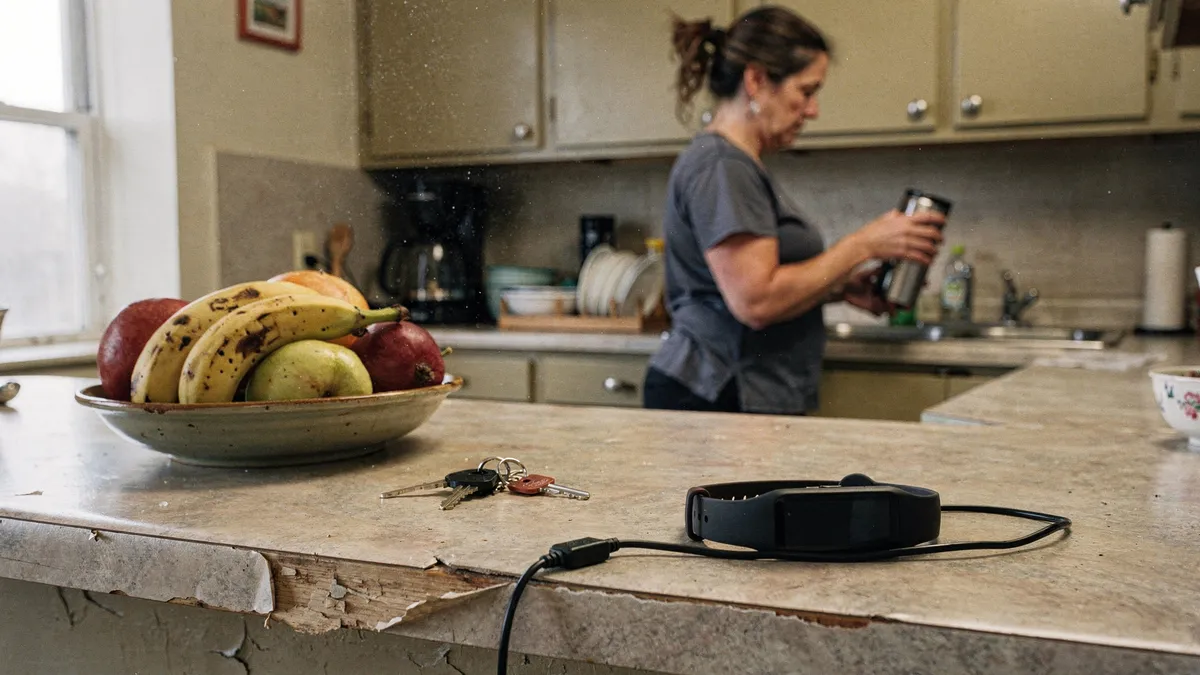
Simple Fitness Bands for Activity Tracking: here's what actually helps. These budget options could help you reach your health goals. Whether you're training for a 5K or trying to sit less throughout the day, a simple activity tracker might be a great tool.
What Are Simple Fitness Bands and How Do They Work
A fitness tracker, sometimes called an activity tracker, pedometer, or step counter - is a piece of technology that monitors things such as the number of steps you take, your heart rate, and how many calories you've burned. Some fitness trackers are apps on your smartphone, but the most common type is a wearable device you clip onto your waist or strap onto your wrist.
Fitness trackers are a popular tool to help people meet their health goals. About one in five U.S. adults regularly wears a fitness tracker or smartwatch. "Simple" trackers are a subset of fitness trackers that perform just a few core functions, such as tracking steps - distance, and activity calories.
They may also be water-resistant and have a screen, although not all simple trackers have these features. Because simple trackers generally do less than more advanced models, they tend to cost less. With so many trackers to choose from, finding the right one can be tricky. Consider what features are most important to you - and look for a simple model that checks most of those boxes.
Heart Rate Monitoring and Sleep Tracking Explained
A growing number of simple trackers offer heart rate monitoring. This feature is beneficial if you're interested in tracking your heart rate variability, or how much your heart rate changes from beat to beat, and seeing your heart rate during exercise. It can also provide insight into your resting heart rate and activity intensity.
Sleep tracking is another feature that's becoming more common among simple trackers. Sleep tracking is usually done through movement detection, but some devices use more advanced technology to assess sleep. If you'd like to see how much sleep you're getting and how restful your slumber is, look for a simple tracker that offers sleep tracking.
While smartphone apps can offer activity tracking - the technology is more reliable in wearable trackers. If you plan to use your tracker for swimming, consider one that's waterproof. And if you prefer a minimalist look, a tracker with a screen might not be for you - some simple models come with a screen, while others don't.
Data Sharing and Mobile App Support
Most trackers sync to mobile apps. These apps allow you to explore and log your activity data, as well as set activity goals. Some also allow you to connect with friends who also use the same tracker to motivate each other to move more.
Check out the mobile apps associated with the tracker you're considering. Make sure your phone's operating system is compatible with the app. It's also a good idea to see if your friends or family use this app - since you can use the social aspect of it to help motivate you to be active.
Things To Consider Before Buying Simple Fitness Bands for Activity Tracking
Consider your lifestyle and preferences carefully before purchasing a fitness band. For example, if you like to track your progress on the go, you'll want to choose a tracker with a screen. Alternatively, if you'd rather view your data on your phone or computer, you can opt for a tracker without a screen.
It's also worth considering how much you sweat during workouts. While most trackers are water-resistant - few are truly waterproof and able to be worn during swimming or other water sports. Also, if you wash your hands frequently throughout the day because of work or personal preference, you might want to look for a tracker that won't be easily dislodged from your wrist as you go about your day.
Are Activity Trackers Worth It and What Are the Downsides
An activity tracker may be worth it if you're looking for motivation to achieve activity and health goals. "Seeing progress over time can be very motivating," says Daniel R. "Trackers can also show you how far you have to go to reach your goals," he says.
However - activity trackers aren't for everyone. "The initial novelty may wear off, and the tracker ends up on a nightstand somewhere collecting dust," says Dr. McCaffrey. In addition, seeing a low number of daily steps on your tracker may demotivate you. "If you know you're not meeting guidelines for physical activity, that's a good starting point -" says Dr. McCaffrey.
"But it may not be helpful to focus on that every day." Instead, think about your weekly activity over the course of several weeks or months, he suggests.