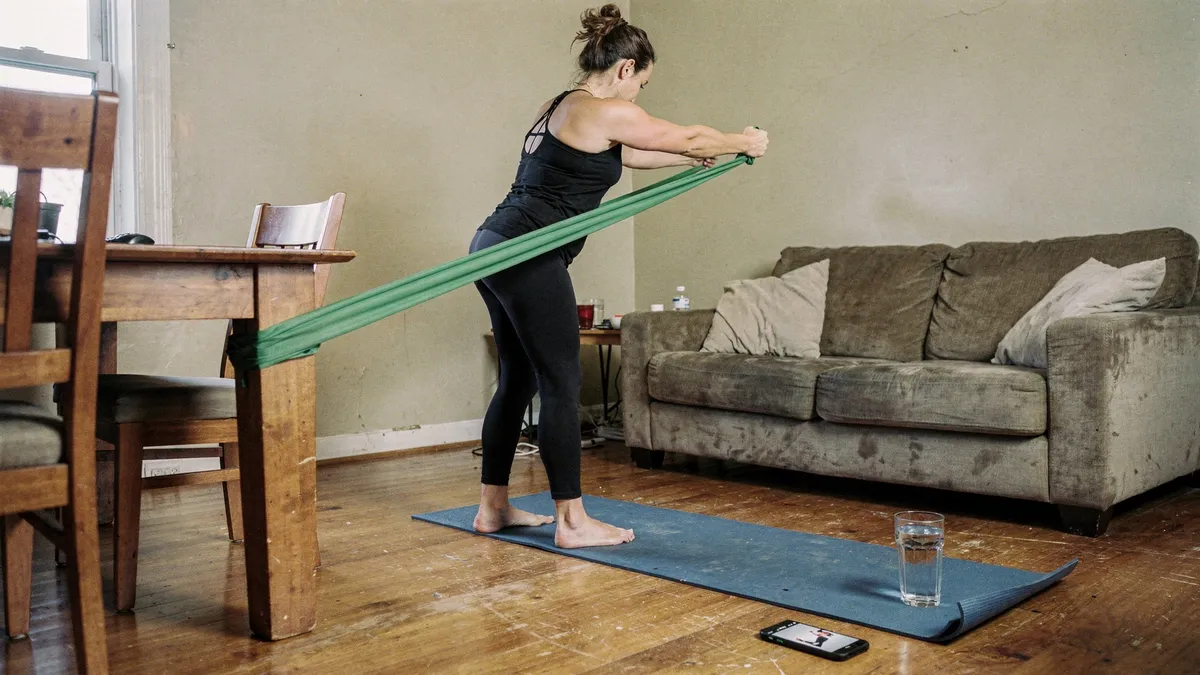
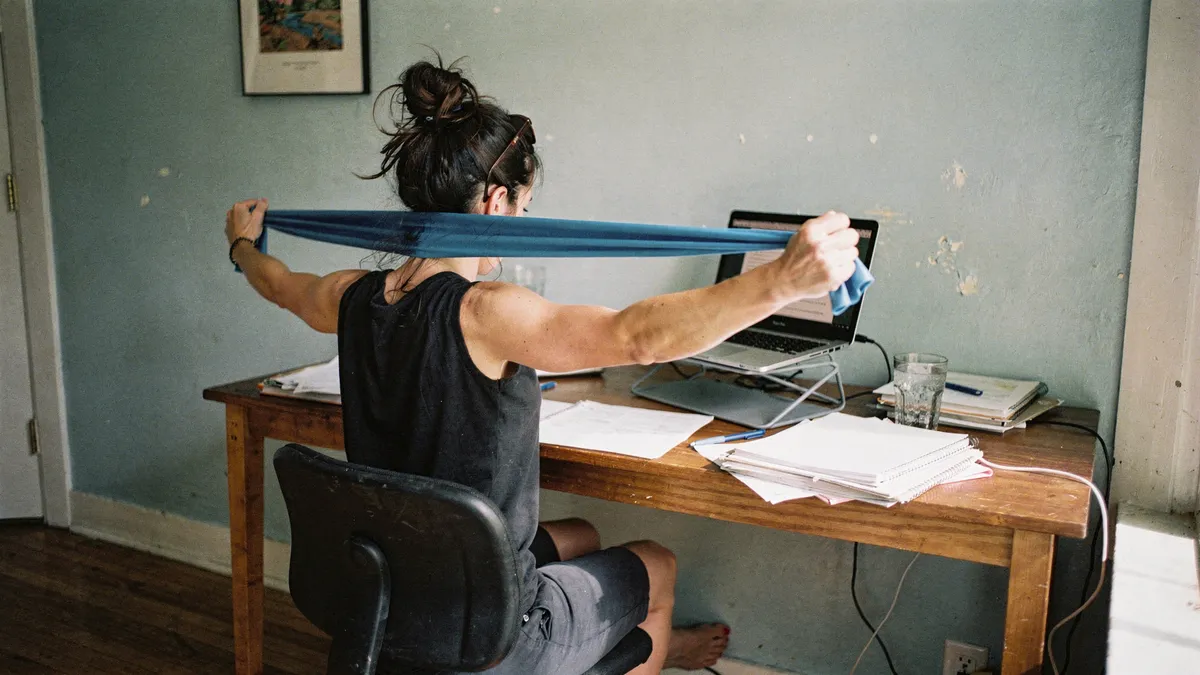
Stretching occupies a strange spot in the fitness world: it is free, low risk, and genuinely useful, and it is also wrapped in more exaggeration than almost any other habit. This guide keeps it honest. Regular stretching can improve your range of motion, make daily movement feel easier, and give you a built-in wind-down ritual that many people find calming. It will not melt fat, cure back problems, or replace strength training. What follows is what the habit realistically offers, a simple ten-minute routine, and the two cheap pieces of gear that occasionally help.
What flexibility work actually does
Flexibility is your usable range of motion at a joint, and it narrows quietly with age and with hours spent sitting. The tightness most desk workers feel in their hamstrings and hips is partly this narrowing in progress. The good news is that it responds to plain, consistent work. According to Harvard Health, muscles kept flexible are better able to extend through their full range, healthy range of motion supports everyday activities like reaching and bending, and improvement takes weeks of regular practice rather than days, with regression if you stop. That last part is the honest core of the whole subject: stretching is a practice you maintain, like brushing your teeth, and a single mobility session before a hike does little beyond warming you up.
Mainstream guidance from major health organizations converges on a few basics: stretch major muscle groups at least two to three times a week, hold each stretch somewhere around 30 seconds, stretch to the point of mild tension rather than pain, skip bouncing, and warm up with a few minutes of light movement first, since stretching cold muscles is less comfortable and less productive. Daily practice is fine and often easier to remember than three scattered sessions; the routine below takes about ten minutes.
The stress angle, without the mysticism
People who stretch in the evening tend to defend the habit less for their hamstrings than for their heads, and there are unexciting reasons it feels good. A stretching session is ten minutes of slow breathing, no screen, and attention directed at physical sensation, which is functionally a relaxation exercise regardless of what the muscles are doing. It also marks a boundary at the end of the workday the way a commute once did. None of this requires grand claims about toxins or cortisol; a quiet, repeatable ritual that leaves your body feeling looser is its own justification. If it helps you sleep, keep doing it for exactly that reason.
A ten-minute daily sequence
This routine covers the areas modern life tightens most. Walk around or march in place for two or three minutes first, then hold each stretch about 30 seconds per side, breathing slowly throughout.
- Neck tilts. Ear toward shoulder, hand resting lightly on the head for gentle weight, no pulling. Repeat on the other side.
- Doorway chest stretch. Forearm on a door frame, elbow at shoulder height, step gently through until the front of the chest lengthens. Counteracts the keyboard hunch.
- Cat-cow. On hands and knees, alternate slowly between rounding and arching the back for eight to ten cycles. This one is movement rather than a hold.
- Half-kneeling hip flexor stretch. One knee on the floor, opposite foot forward, tuck the pelvis slightly and shift forward until the front of the kneeling-side hip stretches. The single best antidote to sitting.
- Hamstring stretch. Heel on a low step or lying on your back with a strap around the foot, leg long, fold or pull gently. Keep the knee soft; the target is the back of the thigh.
- Figure-four glute stretch. Lying down, ankle over the opposite knee, pull the supporting thigh toward you until the outer hip stretches.
- Calf stretch at a wall. Hands on the wall, one leg back with the heel down, lean in. Repeat with the back knee slightly bent to reach the deeper calf.
Form rules, briefly: mild pull, never sharp pain; keep breathing rather than bracing; no bouncing; and if you have an injury, recent surgery, or pain that came on suddenly, get guidance from a clinician or physical therapist before stretching around it, because stretching an angry tissue can make it angrier. For proper illustrated instruction beyond this list, the free ACE exercise library is a reliable, ad-free place to check technique.
The only gear worth considering
Stretching needs no equipment, and two cheap items solve real problems. A simple yoga strap, the cotton belt style Gaiam sells for under $20 as of mid-2026, exists for people who cannot yet reach their feet in hamstring stretches; it lets you work at your actual range instead of straining your back to fake a deeper one. Its limitation is that a bathrobe belt or dog leash does the same job, which tells you how essential the purchase is. A foam roller, the textured TriggerPoint GRID being the durable standard at around $35 to $40, gives tight thighs and upper backs a pleasant self-massage that many people like before stretching. The honest note on rollers is that the research on what rolling does long-term is still unsettled; buy one because it feels good and makes the routine something you look forward to, and skip it without guilt.
Where stretching fits around exercise
A common point of confusion is timing. The long, 30-second holds described above belong after a workout or as their own session, when muscles are warm and there is no performance to compromise. Before sport or lifting, current mainstream guidance favors a dynamic warm-up instead, leg swings, lunges, arm circles, movements that rehearse the activity, since long static holds immediately before explosive effort may briefly blunt power. For a plain daily routine, none of this matters much; warm up lightly, hold your stretches, and save the choreography debates for athletes with coaches.
Making it stick
The routine that works is the one attached to something you already do. Stretch while the coffee brews, after the shower when muscles are warm, or during the first ten minutes of a show you were going to watch anyway. Track nothing except whether it happened. Progress arrives quietly, reaching a shelf without the little grunt, shoes tied without sitting down, and it arrives on the schedule Harvard's clinicians describe: weeks of unremarkable consistency. That is a modest promise compared with what stretching marketing sells, and modest promises are the kind this habit keeps.