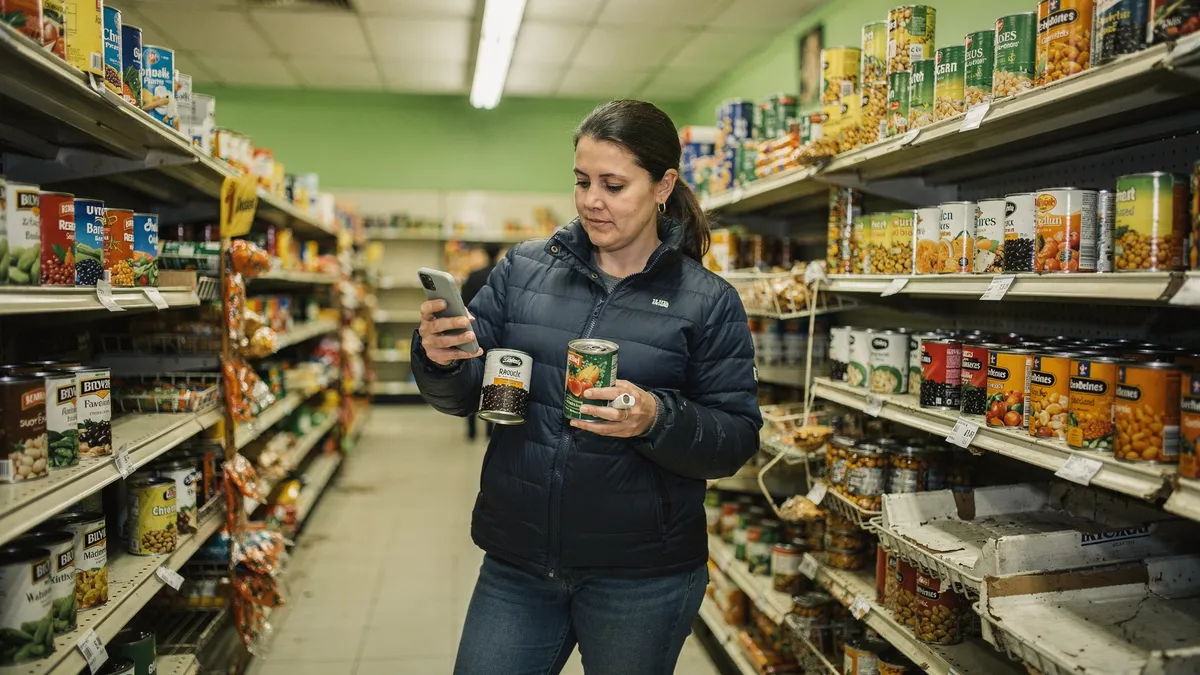
If you need help keeping your grocery bill down, you're not alone. U.S. food-at-home prices increased 2.3 percent in 2025, compared with 2024.
Everyday Household Essentials Under A Budget: How Consumers Can Stretch Their Grocery Dollars
The Federal Trade Commission can't control prices, but it can help consumers stretch their grocery dollars by maintaining guidelines for advertisers to follow so that their pricing claims aren't deceptive. For instance, if a grocer advertises that there will be a discount on selected items in the store - the stock on those items must be adequate to meet a reasonable anticipated demand during the sale period. Also, if a grocer claims that an item is on sale at a reduced price, the sale price should generally be lower than the regular price consumers have seen recently.
Fully stocked shelves would seem to be a given, but the FTC receives numerous complaints from consumers who find that items advertised on sale aren't available in stores. And experience shows that advertisers sometimes make pricing mistakes.
Misleading Sales Tactics and the FTC Rule on Unfair or Deceptive Fees
The new FTC rule on unfair or deceptive fees, which takes effect on May 12 - 2025, also addresses a type of deceptive sales tactic you may face when trying to buy essential items like groceries. Although this Rule applies mainly to the live-event ticketing and short-term lodging industries, it bans behavior that you may see in grocery stores - such as bait-and-switch pricing and hiding total costs. The Rule makes it unlawful to advertise a price for a hotel room or event ticket without including all charges and fees that the consumer is likely to incur, and it also requires that those charges and fees be delivered in a manner that consumers are likely to see before completing the purchase.
Similarly, when an advertiser offers a deal on rice that says "Limit two items per customer -" that limit should be readily apparent to consumers before they check out. Otherwise, consumers may think they can buy more than two items at the sale price. And if an advertiser touts a deal on bread that says "While supplies last," that's also supposed to be prominently displayed so shoppers will see it before checking out. Such disclaimers often appear in small print, buried among other information, making it difficult for consumers to notice them - something the new Rule seeks to change for hotel and ticket ads.
In addition to these new requirements - the Rule also makes clear that it's deceptive to represent that an item is on sale or available at a discount when the sale price is higher than the regular price that consumers have seen in the recent past. This is similar to the pricing provisions of the FTC Act, which apply to all businesses. Because advertisers often promote deals by using bright yellow tags, stickers, or signs to indicate that an item is on sale, such "sale" tags should be based on a genuine comparison to a previous regular price. The FTC's guides on deceptive pricing advise advertisers that - generally speaking, a price isn't considered "regular" unless it was actually offered for a significant period of time in the recent past .
Negative Option Plans and Subscription Boxes
Consumers may save money by shopping through negative option plans - recurring delivery services or subscription boxes that deliver items to consumers' homes on a regular basis. But the FTC has received numerous complaints from consumers who say they signed up for a free trial, but then received items they didn't want charged to their credit card. These complaints involve problems with authorization, disclosures, and billing.
In 2023 - the FTC revised its Guides Concerning the Use of Endorsements and Testimonials in Advertising to provide guidance to marketers whose ads feature the opinions, experiences, or beliefs of consumers or experts. Marketers must ensure that their ads aren't misleading and that they have sufficient evidence to back up their claims. This includes ads that tout the benefits of a subscription service.
What Advertisers Must Disclose About Subscription Services
When promoting subscription services, advertisers must disclose:
- the terms and conditions of the plan;
- the cost of the plan;
- how to end a trial or subscription;
- the consequences of failing to cancel a subscription before the free trial ends.
If you think you've been the victim of a negative option plan scam, file a report with the FTC at ReportFraud.FTC.gov. You can also report problems with pricing claims in grocery stores and elsewhere.