Raised Garden Beds for Beginners: here's what actually helps. May is a wonderful time to start a vegetable garden. The weather is warming up, the home garden centers are stocked with plants, and there are plenty of sunny days ahead to enjoy the process. One of the easiest ways to create a usable garden space is by building a few raised beds.
Why Raised Beds Work for Novice Gardeners
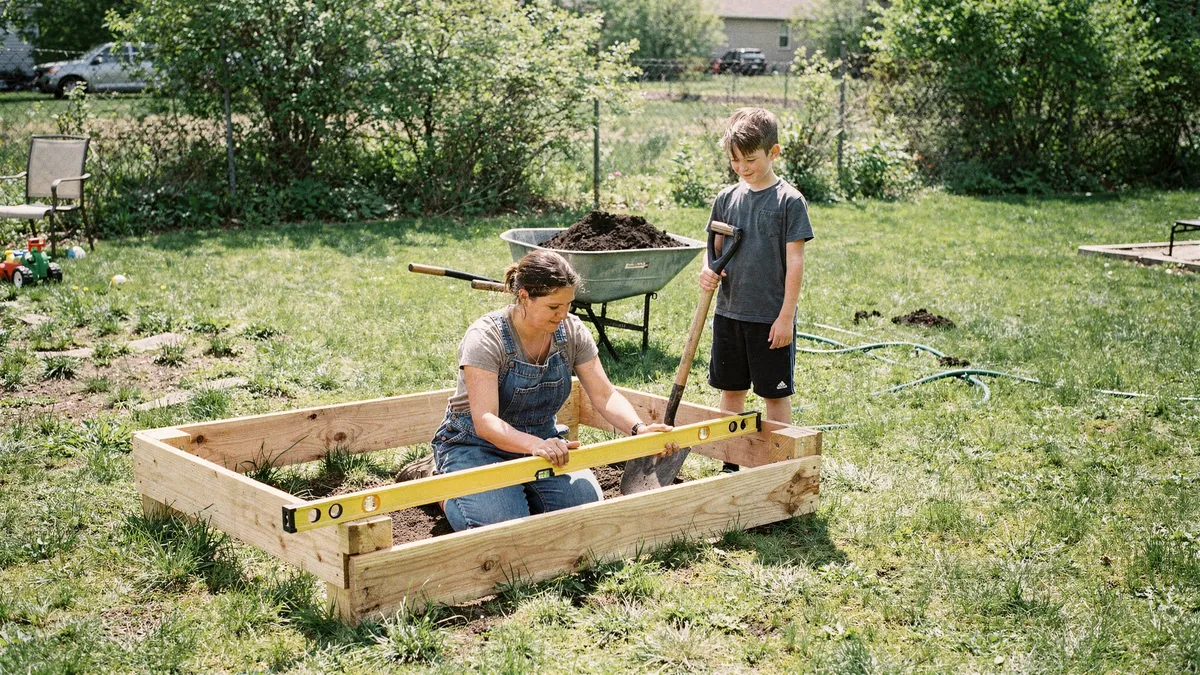
I speak from experience: several years ago, my husband, two sons - and I built four 4-foot-by-8-foot beds in our backyard, and we've been growing at least a portion of our vegetable crop this way since. It's a technique that tends to work well for novice gardeners because it contains the soil and lifts the growing level, making for less bending over.
Plus, you can build as many beds as you have room for and move them around over the years. If you're interested, here's how to get started.
Planning and Site Selection Raised Garden Beds for Beginners
The basics of starting or planting a vegetable garden can be achieved in six simple steps. First - you need to determine exactly what you want to grow. If you're a true beginner, you may want to stick with a few foolproof plants. Those that grow quickly are always a good bet; you'll feel more motivated to continue the project if you have some early success.
Once you've determined the scope of your garden, select a site. Window sills, kitchens, patios - balconies, wall gardens, and doorsteps can be ideal for vegetable container gardening. Containers allow you to control the quality of the soil, maximize space, and find the right amount of sunlight - and they're also less taxing on the back and knees.
If you're going to plant directly on the ground outside, consider raised beds. Building raised beds allows for easier access to your garden and ensures a productive soil environment. Just be sure to select an area that gets plenty of sunshine, as most vegetables require at least six to eight hours of direct sunlight per day.
Soil Preparation and Planting Tips
The bottom third of a raised bed garden should be filled with three layers of material. Start with a layer of compost, followed by a layer of soil, then a layer of mulch. You can add amendments like fertilizer and pest control treatments at this stage - too. Once those layers have settled, add an additional 2/3 of soil until the bed is filled to about an inch below the top.
An ideal garden soil mix for growing plants and vegetables can be made by mixing 40% compost, 40% topsoil, and 20% sand. Avoid using topsoil from your yard if you haven't tested it for quality and pH balance first, as it could be riddled with weeds - disease, and the wrong pH for the plants you're trying to grow. This is also why raised beds provide a more controlled growing environment than in-ground gardens: you're in charge of the soil.
After you've chosen the vegetables and selected a site, it's time to plant. If you're using seeds, follow the instructions on the packets. If you're using seedlings from your local home garden center, simply scoop out a small hole in the soil - place the plant inside, and gently press the soil around it.
Water your garden regularly, but be careful not to drown your plants. If you're unsure whether they're getting enough water, stick your finger into the soil near the base of a plant. If it's dry an inch below the surface, it's time to water.
Maintaining Your Raised Bed Garden
As your plants grow - so will weeds. And although you're raising your beds above ground to promote healthy soil, that doesn't mean pests will pass them by. Keep an eye out for eggs and larvae, and remove them by hand or treat them with pesticide as necessary.
Materials and Design Considerations for Raised Beds
Wood remains the most commonly used material for raised-bed frames. For maximum longevity, use thick boards cut from rot-resistant species like Port Orford cedar. A common height for raised beds is eleven inches - that's two 2x6s stacked on edge. Four feet across is considered ideal for raised bed width, so you can comfortably reach the center from either of the long sides.
Anywhere from 12 to 18 inches will be ideal for a raised bed garden depth. Make raised beds using railroad ties - landscaping wood, lumber, blocks or rocks. Roger Cook advises against using preservative-treated boards or creosote-soaked railroad ties, which can leach chemicals that contaminate soil.
You should refrain from adding too many freshly cut wood chips to your raised bed, as they draw nitrogen from the soil when they decompose. Over time - the addition of compost will help replenish the nutrients in your soil.
When and How to Harvest Your Crops
There's nothing like watching a seed turn into a flower, then a plant, then food on your plate. But how will you know when your homegrown produce is ready to be picked? Again, seed packets will have the information you need, including the crop's expected harvest date.
Fruits and vegetables grown in the home garden are typically more flavorful and nutritious than those purchased at the supermarket. Not only will you be able to enjoy them at peak ripeness - but you'll also know exactly how they were grown. Enjoy the process, and happy gardening!
References
- soil mix for growing plants - familyhandyman.com
- the most commonly used material - thisoldhouse.com